
A real case study in scheduling, officials, scores and communication.
By Joe Bouffard, Coach Bouf, founder of AI Growth Plan and youth sports commissioner
AI can help a youth volleyball league turn decisions into accurate schedules, updated records and clear communication. In our volleyball work, that meant entering tournament games, updating officials, saving confirmed results and publishing an approved recognition page. I made the commissioner decisions. The assistant helped carry them through and check the work.
If you run a league, you know how much happens before anyone serves a ball. Someone needs a new game time. An official needs coverage. A coach sends a score. A tournament bracket changes what happens next. Each update has to land in the right place, and people need to know what is actually settled.
That is where we put AI to work. Give it a specific piece of the operation, give it the context and have it bring back something I can verify.
Key takeaways
Keep the official schedule and working records in the tools your league already uses.
Give AI a defined job, the relevant source and a clear approval boundary.
Preserve uncertainty when opponents, dates or results are still unknown.
Check the saved record after a change, including what was left unchanged.
Use completed work as evidence. Measure savings before attaching numbers to them.
Start with the work behind the games
Our volleyball administration involved Outlook, Google Sheets, SportsEngine and our working conversations. Each had a different job. Email carried the discussion. Sheets held operating details such as officials. SportsEngine held season records. My instructions supplied decisions the tools could not make for me.
The challenge was keeping those pieces consistent.
A postponement is a good example. After I decided to postpone two games, the assistant prepared and sent two dedicated emails from the commissioner account. The October 11 check found them in Sent Items. The messages asked for replacement-date availability and clearly stated that SportsEngine changes were still pending.
That wording protected the next step. Coaches could respond with availability without being told that a new date had already been booked. We could verify the emails were sent while keeping the unfinished schedule work visible.
This is what I mean by an AI operating system: an organized way to connect information, decisions and follow-through. In this case, connected tools supported some steps and authorized browser work supported others. We checked each destination rather than assuming every system synchronized automatically.
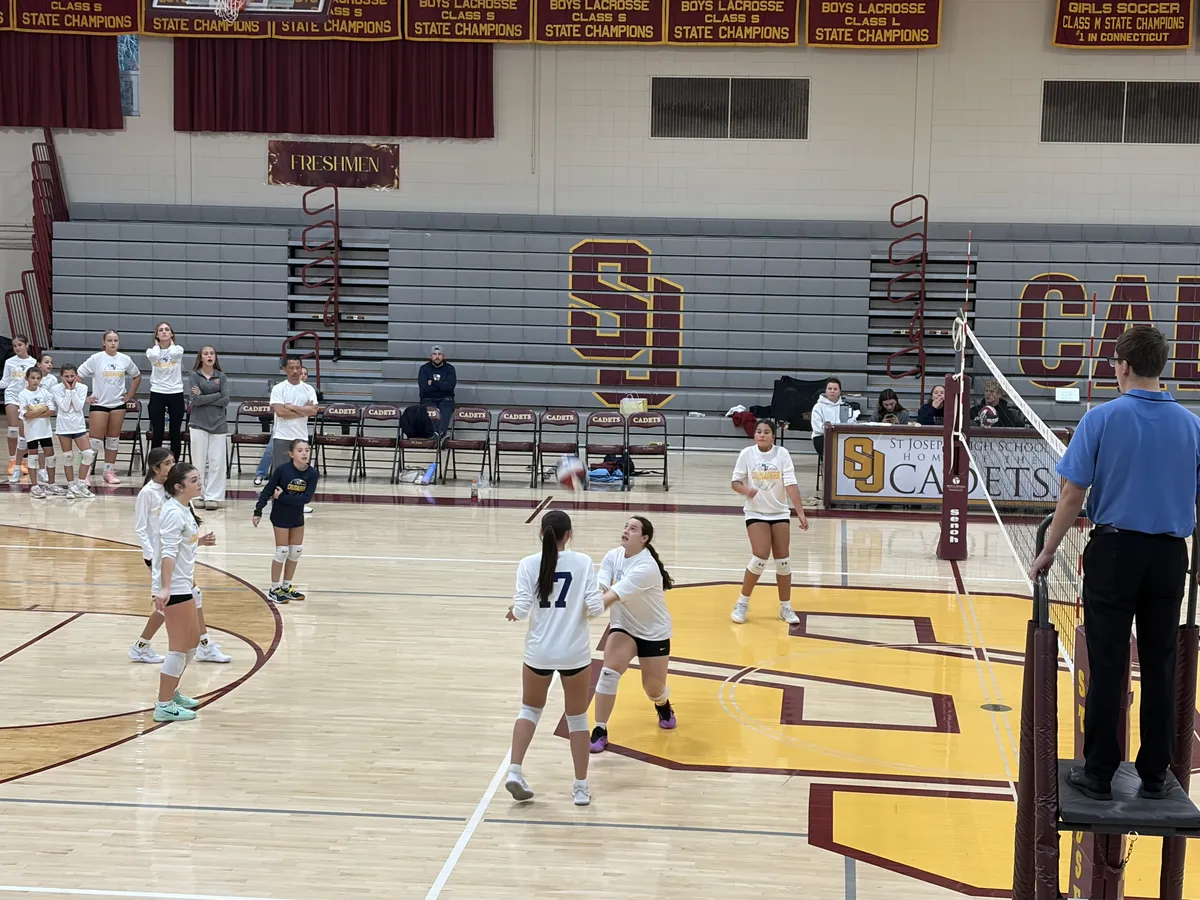
Volleyball season photo, provided by Joe Bouffard.
Start with the gyms, then build the season
Before a bracket or a tournament, you need somewhere to play. Our season planning started with the athletic directors’ gym offers and blackout responses: which dates were available, what hours could be used and which restrictions applied.
The Volleyball Weekly Heat Map brought those responses into one view. One distinction mattered throughout: a gym being available did not mean a particular team was available. Even a slot marked “OPEN*” meant no known blackout, not a confirmed reservation.
The details varied by school. St. Theresa offered 8 a.m. to 1 p.m. on October 3, 10 and 24, and 8 a.m. to 5 p.m. on October 31. A possible Tuesday window remained pending. Some schools had no home gym, so their teams needed a suitable host. Another venue was limited to JV play. Those constraints had to travel with the proposed matchup into the season plan.
We looked across the schedule: date, time, venue, division, opponent, related JV arrangements and the approvals still needed. AI helped reconcile those pieces against the school replies and the published game records. I supplied the league decisions and resolved questions that needed commissioner judgment.
An October review gives a concrete example. It verified a JV game at 6 p.m. before a 7:30 varsity game at the same gym on October 8. The host had offered the opening and one team’s participation; the other school confirmed the matchup. Both games appeared as Scheduled in SportsEngine. That sequence shows how an available slot becomes an agreed, published game.
A separate October 16 entry in the officials workbook logged an October 21 JV game from 7:30 to 8:30 p.m., after both schools confirmed. It recorded a SportsEngine save and readback while preserving the existing 6 p.m. game. The referee was still unassigned, and no team notifications had been sent. That historical log showed exactly which part was complete and what remained. It did not identify who entered the game.
The October 9 reconciliation also found other possible additions with only partial approvals, an offered time that was already occupied, and a published date that one school had rejected. Those stayed visible as conflicts. A reply saying “yes” to an idea could not settle every team, host and exact start time.
SportsEngine served as the league’s shared game-record and communication destination. The working sheet helped us plan; the published records were what needed to agree with the notices. When notifications were configured for approved changes, we checked the intended teams. That checked the setup, not whether every family received or opened a message.
Officials had to fit the same dates and locations. An opening in a gym was only one part of making a game workable. The officials records needed their own confirmed assignments, which we checked separately. A review also caught a double-booked official across venues. Identifying that conflict left a staffing decision to resolve; it did not establish that every game had coverage.
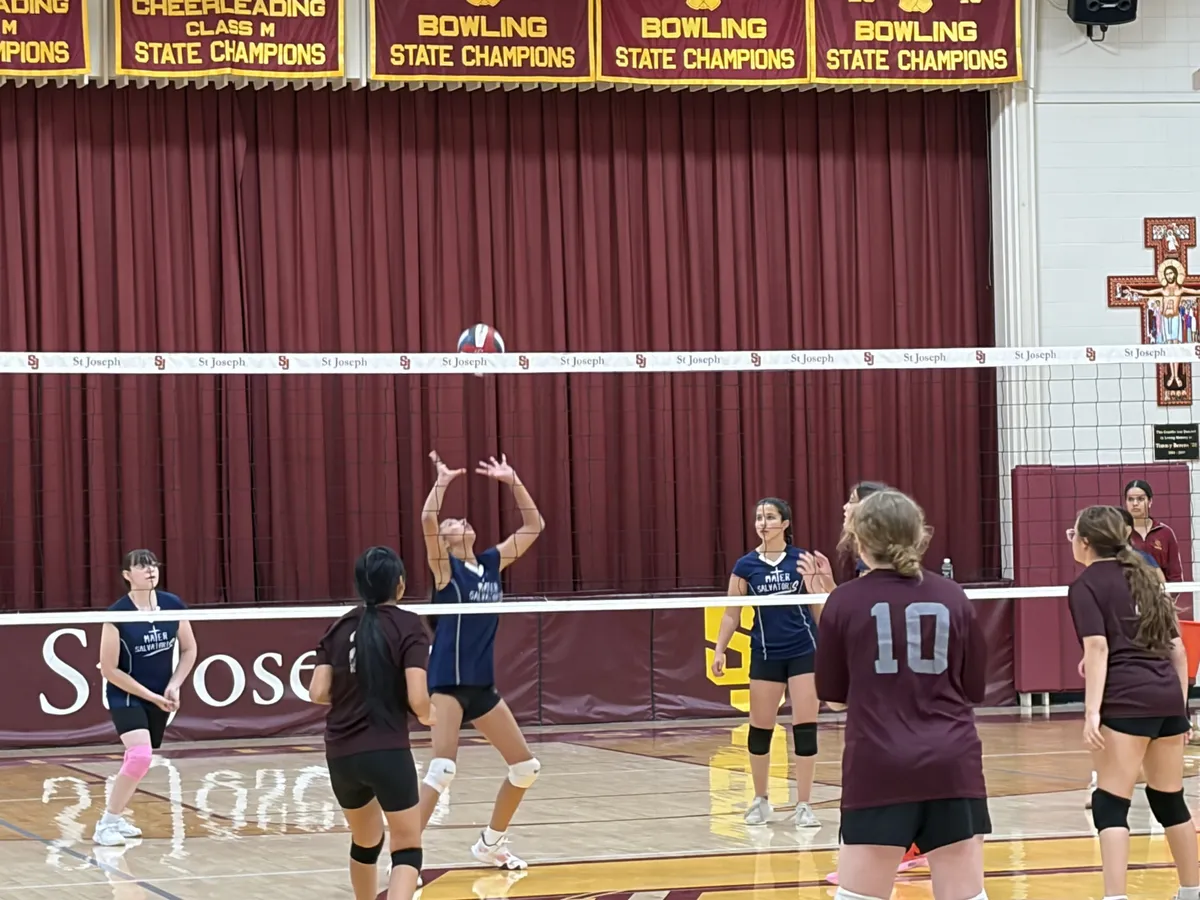
Volleyball season photo, provided by Joe Bouffard.
Carry the same discipline into the tournament
Tournament planning gave us a more involved test. We had two brackets, opening-round byes and games whose opponents depended on earlier results. I supplied the bracket decisions and authorized entry into the existing season.
The October 30 verification showed four opening games and four semifinals in SportsEngine. Seven records were new. One semifinal already existed and was retained. That small distinction matters when you are trying to finish a schedule without creating duplicate games.
The finals needed a different approach. The normal game form required at least one known team, but neither finalist had qualified yet. We used clearly labeled “IF QUALIFIED” events for the two finals with the eligible teams, rather than selecting opponents before the results established them.
Those events represented the conditional plan. They still needed to become the correct final matchups once the participants were known. The record of this work does not establish that later reconciliation, so I am not counting it as a completed step here.
We also checked the switch to standard time for the Sunday games. Notification settings and intended teams were checked for the new games and conditional events. That verified the setup, while delivery to every recipient remained a separate question.
The practical lesson is simple: a useful assistant should handle an exception without hiding it. Unknown opponents should stay visibly unknown until there is a trusted answer.
Keep officials and scores tied to real instructions
Officials coverage can move from a conversation to a confirmed assignment quickly. The record needs to reflect when that actually happens.
On October 31, I asked the assistant to add me as the official for the morning games at one location. It found the three games at 8:30, 10:00 and 11:30, changed only the official-name fields and read them back. Times, other officials and payment fields stayed as they were.
That is a useful administrative task to hand off because the instruction was clear and the result was easy to inspect. It recorded the assignment. Service and payment still required their own evidence.
Scores required the same care. In October, reported results were matched to the actual SportsEngine fixtures, saved as final match scores and read back. For another pair of matches, I clarified that the third sets were exhibitions. The saved official results stayed at two sets, with the exhibition sets excluded.
The assistant needed that clarification. Counting every number in a message would have produced the wrong official record.
My rule for a score workflow is to establish the game, the source and the result before writing anything. A winner report may be enough to know who advances. It may not contain every set score. If a detail is missing, flag it rather than fill it in with a guess.
This is also where human judgment earns its place. League rules, exceptions and the meaning of a coach’s shorthand can require someone who knows the context. AI can organize the information and carry out the approved change once that context is clear.
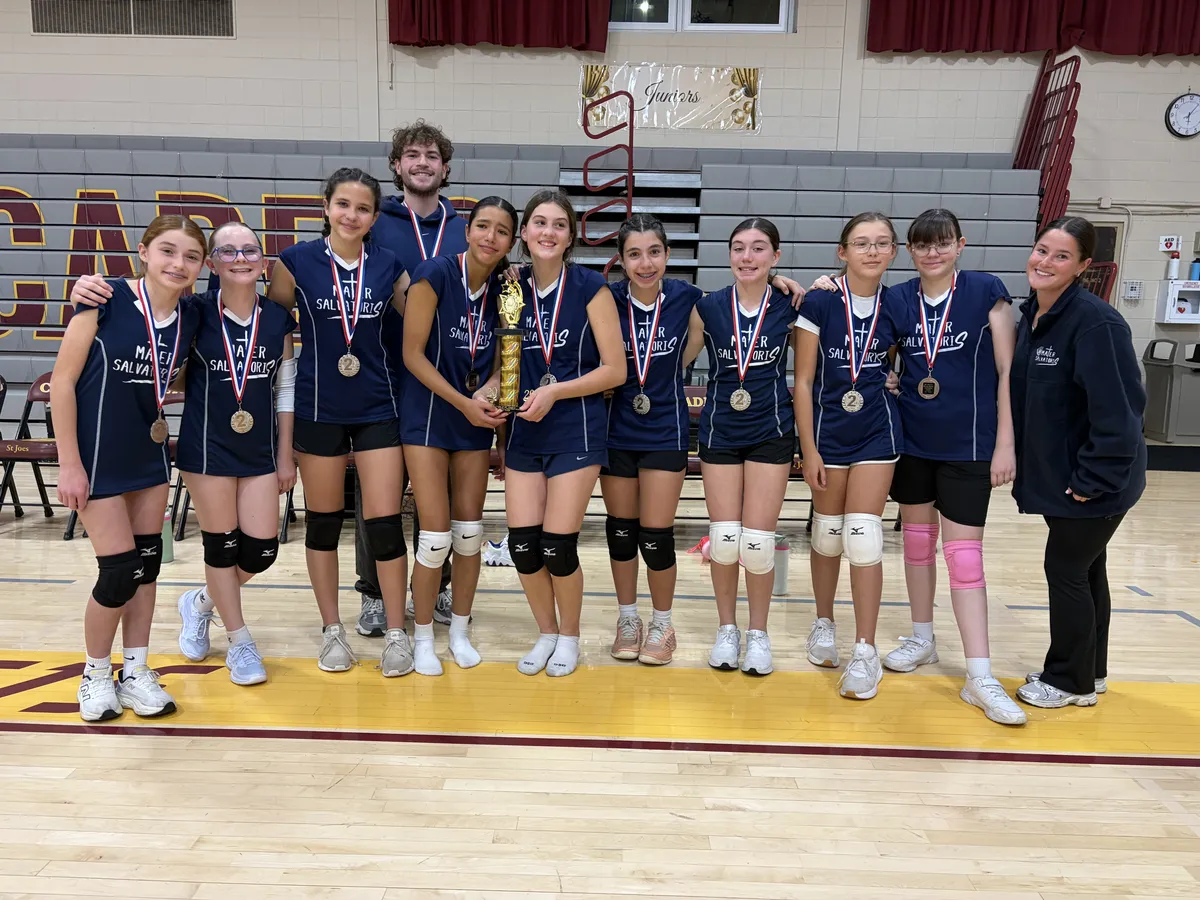
Volleyball season photo, provided by Joe Bouffard.
Close the communication loop without getting ahead of the season
Public updates need the same discipline as the schedule.
On October 31, I approved team recognition and photos for the Character Bracket on the volleyball website. The page was published, and the live photos and captions were checked. Eleven page tests passed. The existing embedded SportsEngine schedule stayed unchanged.
There was an important detail in the wording: the Character Bracket was finished, but the Championship was still scheduled for November 1. The page kept that upcoming play prominent. Celebrating one part of the tournament could not imply that every part was complete.
That is a small publishing decision with an operational consequence. Families need a page that celebrates the result and still tells them what is next.
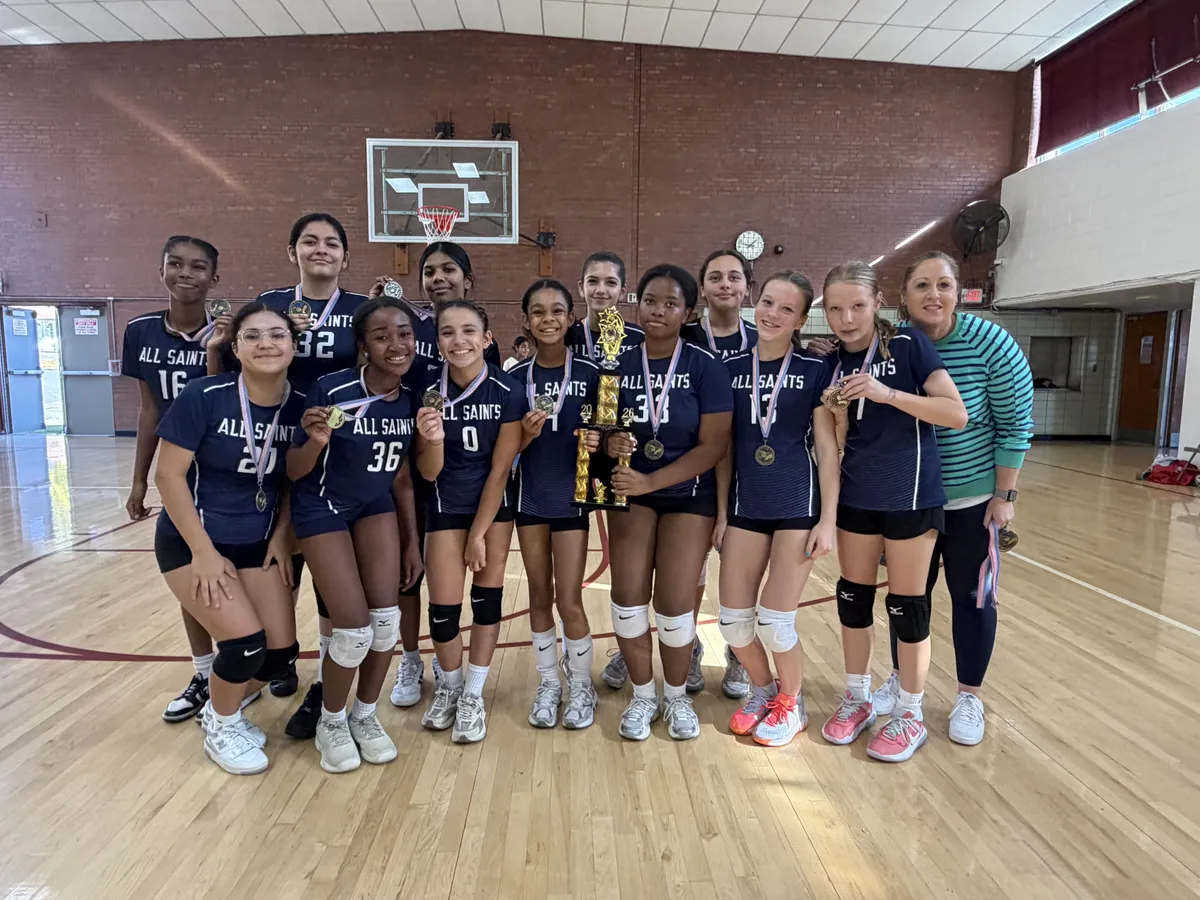
Publicly approved league photos can show the season, while recreated examples illustrate the administrative work. Explaining the process does not require showing private inboxes, contact details or player information.
Looking across the season’s work, the pattern was consistent: review the source, get the decision, make the specific change and inspect the result. The case includes verified examples from communication, tournament setup, officials, scores and public recognition. It does not claim that every season record or later championship task was completed automatically.
Build one repeatable workflow first
If you lead a league, club or small organization, pick a problem you keep revisiting. In our volleyball work, the most useful requests had a defined start and a result we could check.
Here is how I would set up the first one:
Choose a narrow job. Start with an officials change, a confirmed score or a game-change notice. Name exactly what “finished” means.
Choose the authoritative record. Decide where the schedule, assignment or result belongs. Let emails and messages support that record rather than compete with it.
Supply the needed facts. Include the season, teams, date, location and decision. Ask the assistant to flag missing or conflicting details before changing anything.
Set the permission boundary. Be clear about whether you want research, a draft, a saved update or a sent message. Decide separately when a public change is allowed.
Ask for proof of the result. Have the assistant read back the saved fields or inspect the live page. Keep unresolved steps attached to the same workflow.
A practical starting instruction is: “Review this officials change against the current schedule. Show me the matching games, flag conflicts and prepare the exact update. Wait for my approval before changing or sending anything.”
Once that works consistently, expand it. Basketball will be a separate case study after that league has run and we can assess its results.
Frequently asked questions
Can AI run a volleyball league by itself?
Our experience supports using AI for defined administrative work with human decisions and verification. I still made commissioner calls about postponements, brackets and official results. The assistant organized information and completed authorized steps. A responsible person still needs to resolve exceptions and decide what the league communicates.
Do I need to replace the tools my league uses?
Our volleyball work used existing tools: Outlook, Google Sheets and SportsEngine. The access method depended on the job. Start by identifying where your trusted records live and what needs to change. Then check which connected tools or authorized browser actions can support that specific workflow.
Can AI enter match scores accurately?
It can help when the result comes from a trusted source and matches a specific fixture. We saved and checked final results, including excluding exhibition sets after my clarification. That demonstrates those completed updates. It does not establish an unattended process that can interpret every score report correctly.
What should I show in a public demonstration?
Show the workflow with fictional teams, a sanitized record or a recreated screen. Keep youth player information, private contact details and administrative access out of the presentation. Publicly approved league photos can accompany a sample schedule so viewers understand both the season and the process without exposing the original operational records.
How much time did this save?
We did not conduct a measured before-and-after time study. The evidence here is completed work: saved games, updated officials fields, checked results and an approved public page. If you want a savings figure, track handling time, corrections and unresolved items from the start of your own implementation.
Put the first useful piece to work
You do not have to redesign the whole league before trying this. Choose one administrative job that needs better follow-through. Give the assistant clear facts, make the approval point explicit and review the saved result.
That is the approach behind AI Growth Plan. We start with the work you already do and build a practical way to support it. If you want to explore that for your organization, bring one real workflow and the tools you use today to AI Growth Plan.
Start with one job. Finish it. Check it. Then build on it.
Watch the companion series
Watch all four episodes of AI Behind the Volleyball Season on YouTube.
About the author
Joe Bouffard, known as Coach Bouf, is the founder of AI Growth Plan and a youth sports commissioner. He helps organizations apply AI to practical work, drawing on his experience in sports leadership and business operations.